Witness Interviews: The Art of Getting the Truth

In any investigation – whether it involves suspected infidelity, workplace misconduct, fraud, or a civil dispute – facts matter. But facts don’t always come neatly packaged in documents or digital records. Often, the most critical information comes from people: witnesses who saw, heard, or experienced something firsthand. The challenge is that human memory is imperfect, emotions can cloud judgment, and not everyone is immediately willing to share what they know. That’s where the art of witness interviewing comes into play.
A successful witness interview is far more than just asking questions. It requires strategy, patience, psychological insight, and a deep understanding of human behavior. Done correctly, it can uncover key details, clarify timelines, and even reveal truths that individuals may be hesitant to disclose. Done poorly, it can lead to incomplete information, contradictions, or even the loss of valuable evidence.
For professional investigators, witness interviews are one of the most powerful tools available, but also one of the most delicate. Every conversation must be handled with care, precision, and professionalism. At Kinsey Investigations, this process is treated as both a science and an art form. Our experienced team understands that getting to the truth isn’t about intimidation or pressure – it’s about building trust, asking the right questions, and knowing how to listen.
Whether you’re dealing with a personal matter or a complex legal issue, the quality of witness interviews can make or break a case. Understanding how professionals approach this critical task can help you see why expertise matters, and why it’s not something to leave to chance.
Building Rapport: The Foundation of Every Interview

One of the most important aspects of a successful witness interview is establishing rapport. People are far more likely to share information when they feel comfortable, respected, and understood.
Professional investigators know how to create an environment where witnesses feel at ease. This might involve starting with casual conversation, explaining the purpose of the interview clearly, and assuring the individual that their perspective matters. Building trust early on sets the tone for a more open and productive discussion.
Without this foundation, witnesses may hold back information, provide vague answers, or become defensive, none of which leads to reliable results.
Asking the Right Questions
There’s a significant difference between simply asking questions and asking the right questions. Skilled private investigators use a combination of open-ended and targeted inquiries to guide the conversation without leading the witness.
Open-ended questions such as “Can you walk me through what you saw?” encourage detailed responses and allow witnesses to share information in their own words. Follow-up questions help clarify details, establish timelines, and identify inconsistencies.
Equally important is knowing what not to ask. Leading questions or overly aggressive tactics can influence responses or cause witnesses to shut down entirely. Professional interviewers maintain a neutral tone, ensuring the information gathered is as accurate and unbiased as possible.
Reading Between the Lines
Witness interviews aren’t just about what is said – they’re also about what isn’t said. Body language, tone of voice, hesitation, and inconsistencies can all provide valuable insight.
Experienced investigators are trained to pick up on these subtle cues. For example, a pause before answering a specific question might indicate uncertainty or discomfort. Contradictions between statements could indicate confusion, faulty memory, or intentional deception.
By paying close attention to both verbal and nonverbal communication, investigators can dig deeper and uncover information that might otherwise go unnoticed.
Managing Memory Limitations
Human memory is not perfect. Over time, details can fade, become distorted, or be influenced by outside factors. This doesn’t mean a witness is being dishonest – it simply means their recollection may not be entirely accurate.
Professional private investigators understand how to work within these limitations. They may ask witnesses to recall events in different ways, revisit timelines, or focus on specific sensory details to improve accuracy. The goal is to gather as much reliable information as possible without introducing bias.
This careful approach helps separate fact from assumption, ensuring the integrity of the investigation.
Handling Reluctant or Nervous Witnesses
Not every witness is eager to talk. Some may feel anxious, fearful of repercussions, or unsure about getting involved. Others may worry about saying the wrong thing or being judged.
This is where experience and professionalism are critical. Skilled investigators know how to handle sensitive situations with empathy and discretion. They take the time to address concerns, explain confidentiality, and reassure witnesses that their cooperation is valuable.
In many cases, patience and understanding are far more effective than pressure. When witnesses feel safe, they’re more likely to provide honest and detailed information.
Verifying and Corroborating Information
A single witness statement is rarely enough on its own. Professional investigators cross-reference information from multiple sources to verify accuracy and build a complete picture of the situation.
This may involve comparing statements from different witnesses, reviewing surveillance footage, analyzing digital records, or conducting additional interviews. Any inconsistencies are carefully examined to determine whether they stem from memory gaps, misunderstandings, or intentional misrepresentation.
By corroborating details, private detectives strengthen the credibility of their findings and ensure that conclusions are based on solid evidence.
Documentation and Precision
Every detail matters in an investigation. That’s why thorough documentation is a critical part of the witness interview process.
Professional investigators take detailed notes, record key statements when appropriate, and organize information in a way that can be easily referenced later. This level of precision is essential, especially if the findings are used in legal proceedings.
Accurate documentation ensures that nothing is overlooked and that the information gathered can stand up to scrutiny.
Why Professional Expertise Matters
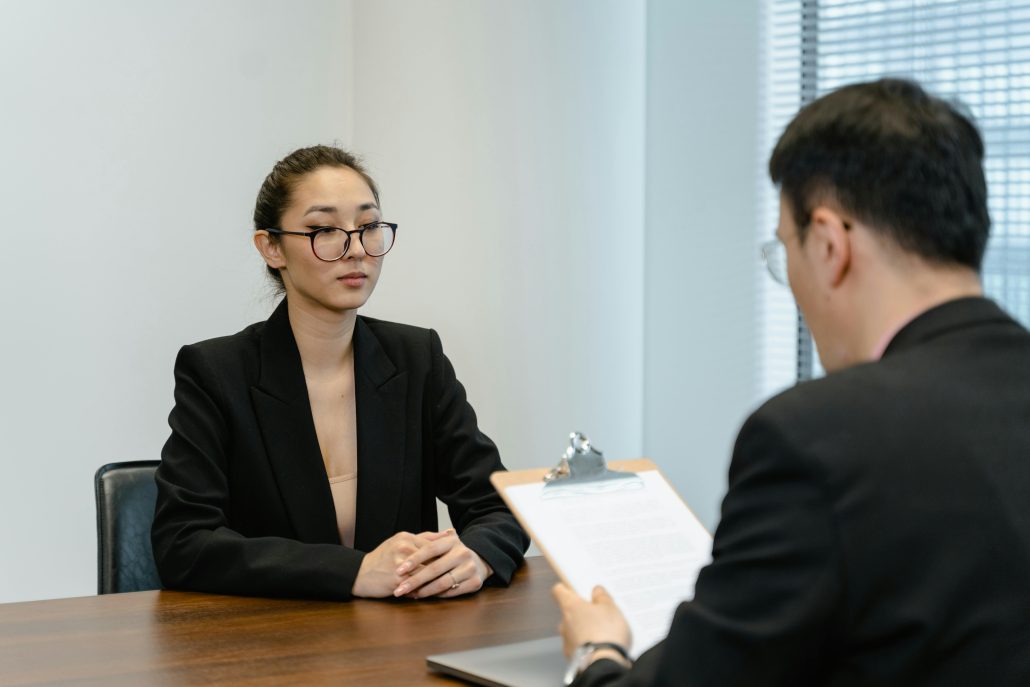
Witness interviews may seem straightforward, but they require a high level of skill and experience to execute effectively. Missteps such as asking leading questions, failing to build rapport, or overlooking inconsistencies can compromise the entire investigation.
Working with a professional investigative team ensures that interviews are conducted properly from the start. With the right approach, witness statements can become powerful pieces of evidence that support your case and bring clarity to complex situations.
Get the Truth With Confidence
When the truth matters, you can’t afford to rely on guesswork. Witness interviews are a critical component of any investigation, and the way they’re conducted can have a lasting impact on the outcome.
Kinsey Investigations brings expertise, discretion, and professionalism to every case. Our team understands how to navigate sensitive conversations, uncover key details, and piece together the information needed to move forward with confidence.
If you need answers, don’t leave something this important to chance. Contact Kinsey Investigations today for a free, confidential consultation and let experienced professionals help you uncover the truth.