
How Evidence Becomes Court-Ready: What Judges Actually Care About
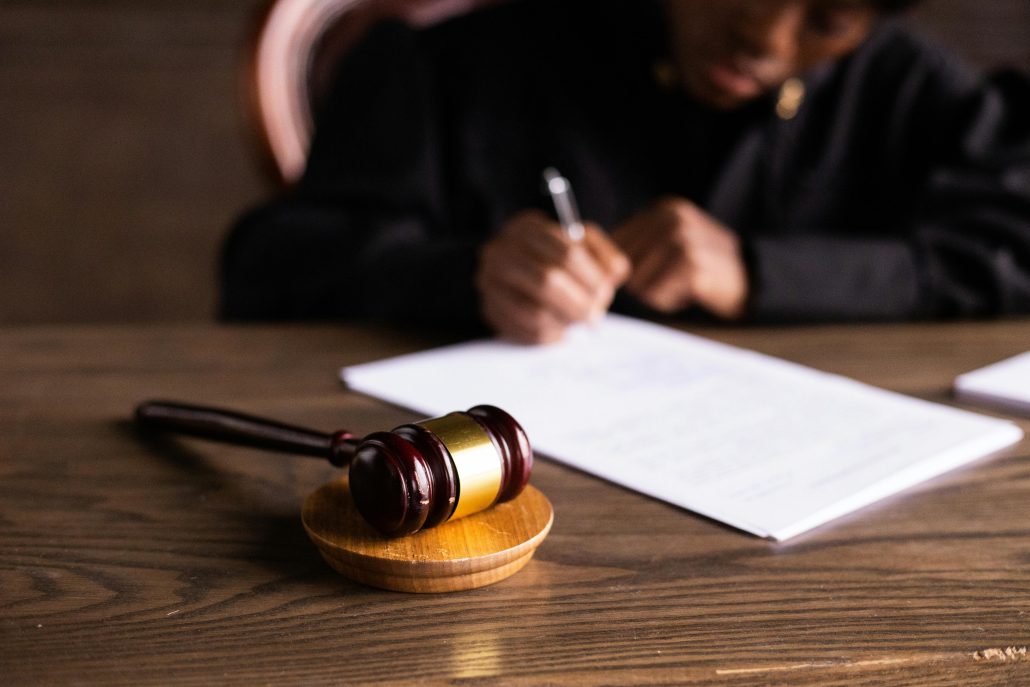
In an age where information is instantly accessible, it’s easy to assume that finding the truth is simply a matter of digging deep enough online. Social media posts, text messages, screenshots, GPS data, and public records can all feel like powerful proof, especially when emotions are involved. But when a matter enters the legal system, most people quickly discover a hard truth: information alone is not evidence.
Courts operate on standards, not suspicions. Judges are not interested in rumors, partial context, or material gathered improperly. What matters is whether evidence is credible, legally obtained, properly documented, and presented in a way that withstands scrutiny. Even information that seems obvious or convincing can be excluded if it fails to meet legal requirements.
This gap between what people believe is proof and what courts actually accept is where many cases unravel. Individuals often try to document situations themselves – following someone, taking photos, collecting messages, or confronting the other party – only to find that their efforts hurt their case. Improperly gathered evidence can be challenged, discredited, or ruled inadmissible. In some cases, it can even create legal consequences for the person who collected it.
Professional investigators like the team at Kinsey Investigations understand that the objective isn’t just discovering what’s happening – it’s ensuring that what’s discovered can be used. From the way surveillance is conducted to how observations are recorded, every detail must align with legal and ethical standards. Judges look for consistency, neutrality, and professionalism. They want facts, not opinions, and documentation that tells a clear, defensible story.
Understanding how evidence becomes court-ready can protect your case, your credibility, and your future. Whether you’re dealing with a family law issue, a civil dispute, or a business concern, knowing what judges actually care about is essential before taking action. That’s where Kinsey Investigations comes in.
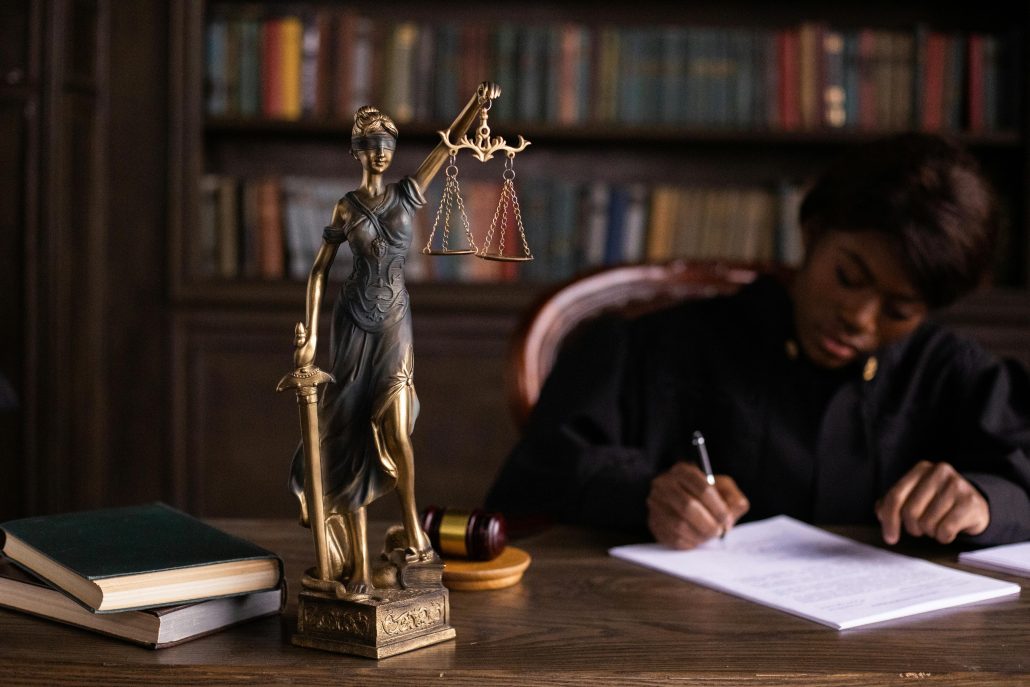
Information vs. Evidence: A Critical Distinction
One of the most common misconceptions is that any relevant information automatically qualifies as evidence. In reality, courts distinguish sharply between the two.
Information is raw data: what someone saw, heard, or found. Evidence, on the other hand, is information that has been collected, verified, and documented in a way that complies with legal standards. Evidence must be relevant, reliable, and obtained lawfully. Without those elements, it may hold no weight in a courtroom.
This is why screenshots, social media posts, or personal notes often fail. Without authentication, context, and verification, such materials can easily be challenged or dismissed.
Legality Comes First – Always
Judges care deeply about how evidence is obtained. Even accurate information can be excluded if it was collected illegally or unethically. Unauthorized recordings, improper tracking, trespassing, or invasion of privacy can all invalidate otherwise useful findings.
Professional investigators like Kinsey Investigations are trained to operate within strict legal boundaries. They understand state and federal laws governing surveillance, recording, and data collection. This ensures that evidence not only supports a case but does not expose the client to legal risk.
Courts are far more likely to trust evidence gathered by licensed professional investigators who follow established procedures than information collected by someone acting on impulse or emotion.
Documentation and Consistency Matter
Judges don’t just look at what happened, they look at how well it’s documented. Clear timelines, detailed observations, and consistent reporting are critical. Gaps, contradictions, or vague descriptions weaken credibility.
Professional investigative reports are written with court review in mind. They avoid speculation, emotional language, and assumptions. Instead, they focus on observable facts, times, locations, and verified actions. This level of structure allows judges and attorneys to clearly understand events without interpretation or bias.
Consistency across reports, photographs, and logs strengthens a case and minimizes opportunities for opposing counsel to challenge the findings.
Chain of Custody and Credibility
Another factor judges care about is the chain of custody: knowing who collected the evidence, how it was handled, and whether it remained intact and unaltered. Evidence that cannot be clearly traced from collection to presentation is vulnerable to dismissal.
Licensed investigators bring built-in credibility. Their training, experience, and neutrality matter. Courts recognize the difference between an interested party gathering information and an independent professional documenting facts objectively.
This credibility often makes the difference between evidence that is questioned and evidence that is accepted.
Why DIY Evidence Often Backfires
Many people attempt to gather evidence themselves to save money or act quickly. Unfortunately, this approach frequently causes more harm than good. Direct confrontation can alert the subject and change behavior. Improper surveillance can violate laws. Emotional involvement can lead to biased documentation.
Once a situation is compromised, it’s difficult to undo the damage. Evidence gathered improperly may not only be unusable, it can weaken the overall case by raising questions about motive, credibility, or intent.
 How Professional Investigators Build Court-Ready Evidence
Court-ready evidence is built intentionally. Private detectives approach cases with strategy, patience, and legal awareness. They know when to observe, when to document, and when to escalate findings appropriately. They understand that timing, discretion, and accuracy are essential.
This methodical approach ensures that evidence isn’t just discovered, it’s defensible. It can be reviewed, challenged, and still stand.
Conclusion: When Evidence Matters, Experience Matters
When legal outcomes are on the line, evidence must do more than tell a story – it must stand up to scrutiny. Judges care about legality, documentation, credibility, and professionalism. Anything less can jeopardize a case, no matter how compelling the situation may seem.
If you’re facing a matter where facts need to be proven, not assumed, working with a licensed, experienced investigator is essential. The right evidence can protect your rights, strengthen your position, and bring clarity during uncertain situations.
Contact Kinsey Investigations today for a free, confidential consultation. Our experienced professionals understand what courts actually care about and how to obtain evidence that is ethical, defensible, and court-ready. When the truth matters, trust the experts who know how to document it the right way.