What Kind of Evidence Holds Up in Court?
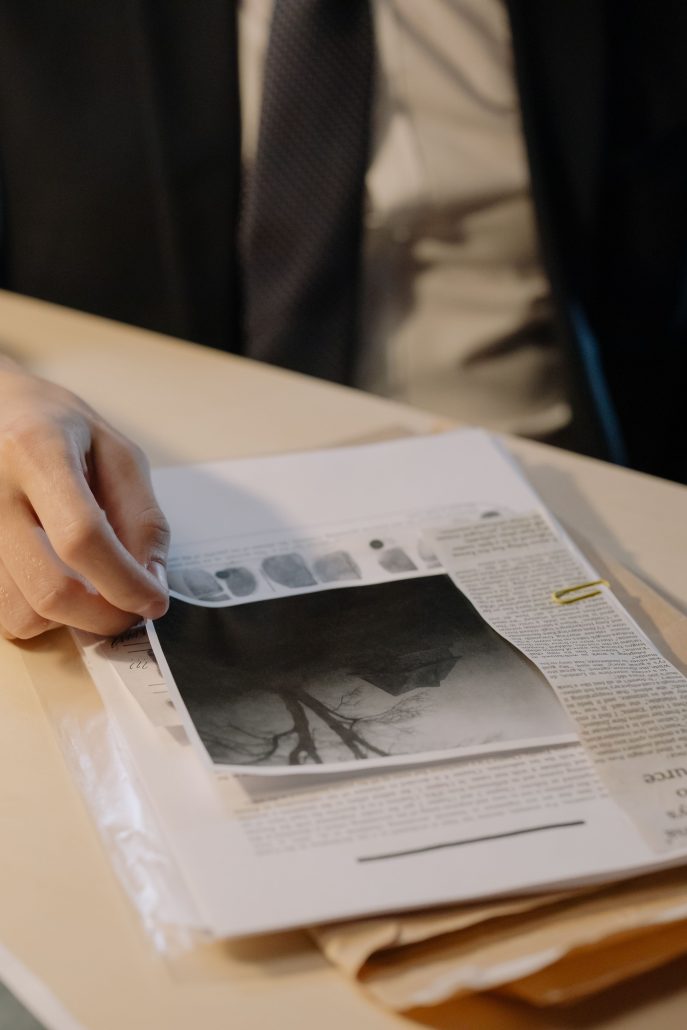
When legal disputes arise, evidence often becomes the deciding factor in the outcome of a case. Whether you’re involved in a divorce, child custody matter, civil lawsuit, insurance claim, or business dispute, the strength of your evidence can significantly impact your ability to prove your position. Unfortunately, many people misunderstand what qualifies as useful evidence and assume that any information they uncover can be presented in court. In reality, not all evidence is created equal.
The legal system has strict rules regarding the collection, preservation, and presentation of evidence. Information obtained improperly may be excluded entirely, regardless of how relevant it may seem. Likewise, evidence that cannot be verified or authenticated may carry little weight with a judge or jury. This is one reason why professional investigators play such an important role in legal matters. Experienced private investigators understand how to gather information legally and document findings in a manner that supports legal proceedings.
In today’s digital world, it’s easy to assume that screenshots, social media posts, text messages, and online searches provide all the evidence you need. While these sources can sometimes be useful, they often require additional verification and context to be considered reliable. Courts generally prefer evidence that is well-documented, legally obtained, and supported by credible witnesses or professional investigative work.
Understanding what evidence holds up in court – and what doesn’t – can help individuals make informed decisions when pursuing legal action or defending themselves against allegations. Let’s explore some common types of evidence and why professional investigative services like Kinsey Investigations can make a significant difference in building a strong case.
Evidence That Often Holds Up in Court

Professionally Conducted Surveillance
Surveillance is one of the most valuable tools available in many investigations. When conducted legally and professionally, surveillance can provide visual documentation of activities, behaviors, and interactions relevant to a case.
For example, surveillance may be used in child custody disputes, insurance fraud investigations, infidelity investigations, or civil litigation. Video and photographic evidence collected by a licensed investigator often carries substantial weight because it provides objective documentation rather than relying solely on personal testimony.
Witness Statements and Interviews
Witnesses can provide critical information that helps establish timelines, verify events, or support claims made by one of the parties involved. However, not all witness statements are equally persuasive.
Statements obtained through professional interviews tend to be more reliable because investigators know how to ask questions, document responses, and identify inconsistencies. Thoroughly documented witness interviews can become an important component of a larger body of evidence.
Official Records and Documentation
Courts generally place significant value on official records because they originate from credible sources. Depending on the circumstances, this may include:
- Court records
- Property records
- Business filings
- Financial records
- Public documents
- Employment records
When properly obtained and authenticated, these records can help establish facts and support legal claims.
Properly Preserved Digital Evidence
Digital evidence has become increasingly important in modern investigations. Emails, text messages, social media content, and electronic communications can all play a role in legal matters.
However, digital evidence must often be authenticated to demonstrate that it has not been altered or manipulated. Proper preservation and documentation are critical to ensuring its reliability and admissibility.
Evidence That May Not Hold Up in Court

Hearsay
One of the most common forms of weak evidence is hearsay. Hearsay generally involves someone repeating what another person allegedly said rather than providing firsthand knowledge.
For example, telling a court, “My friend said he saw the incident happen,” is generally less persuasive than testimony from the actual witness. Courts often place limitations on hearsay because it cannot always be independently verified.
Illegally Obtained Information
Evidence obtained illegally can create serious problems for a case. Recording conversations without proper consent, trespassing on private property, hacking accounts, or violating privacy laws may result in evidence being excluded entirely.
In some cases, improper evidence collection can even expose the individual gathering the information to legal consequences. This is one reason why working with a licensed private investigator is so important.
Anonymous Tips Without Verification
Anonymous information can sometimes provide valuable leads, but courts generally require additional evidence to support such claims. An unverified accusation from an unknown source is rarely enough to establish facts on its own.
Professional investigators often use tips as starting points for further investigation rather than treating them as definitive proof.
Altered or Incomplete Evidence
Evidence that appears edited, manipulated, incomplete, or lacking context may face significant scrutiny. Screenshots without supporting information, edited videos, or documents with missing details may raise questions about authenticity.
Courts and attorneys often look for clear chains of documentation and supporting evidence that establish credibility.
Why Professional Investigations Matter
Gathering evidence involves much more than simply finding information. It requires understanding legal boundaries, documenting findings thoroughly, preserving evidence properly, and presenting facts clearly.
Private investigators help clients avoid costly mistakes by ensuring that evidence is collected ethically and legally. Their work can provide attorneys and clients with reliable information that strengthens a case while minimizing the risk of challenges regarding admissibility.
Professional investigators also understand how to identify evidence that may not initially seem significant but ultimately becomes a critical piece of the larger picture. Their experience allows them to connect facts, verify information, and provide objective findings that stand up to scrutiny.
Trust Kinsey Investigations to Help Build Your Case
If you’re facing a legal dispute, don’t leave something as important as evidence to chance. The quality of your evidence can significantly impact the outcome of your case, and obtaining information improperly can do more harm than good.
At Kinsey Investigations, we have extensive experience conducting professional investigations that help clients uncover facts and gather legally obtained evidence. Whether you’re involved in a family law matter, civil litigation, workplace dispute, or another complex situation, our team can help you pursue the information you need with professionalism, discretion, and integrity.
Contact Kinsey Investigations today for your free, confidential consultation. We’ll listen to your concerns, discuss your options, and help you determine the most effective path forward. When the facts matter, trust Kinsey Investigations to help you uncover the truth.